
Palladium Jewellery: The New Platinum?
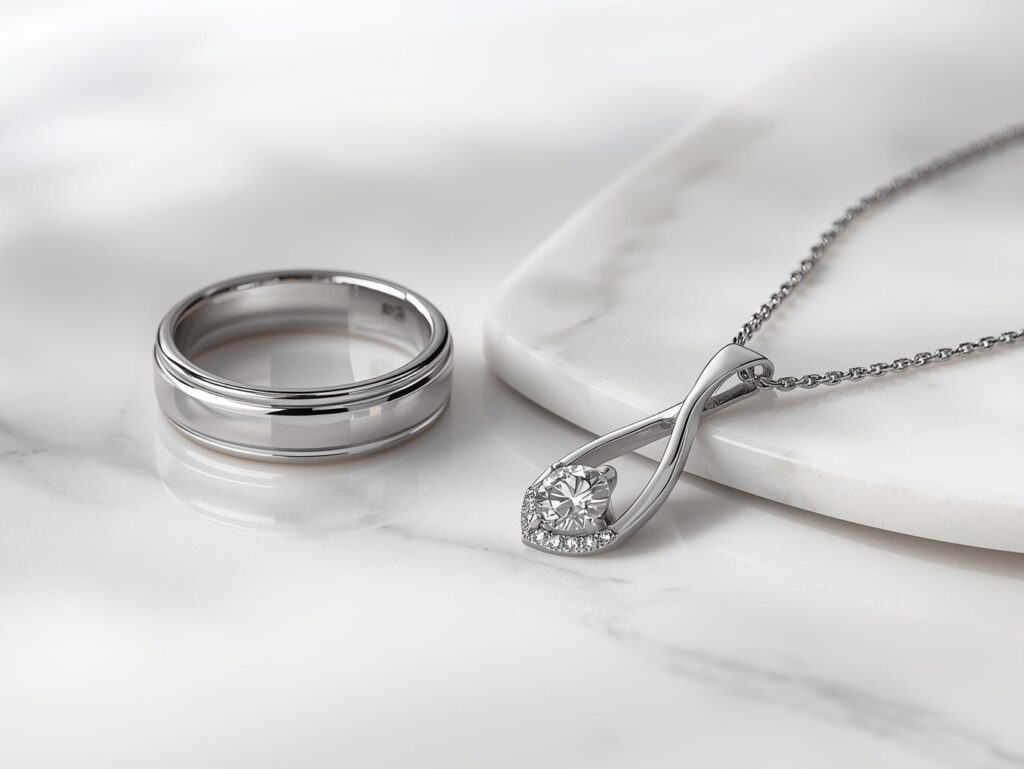
When it comes to top-tier jewellery, platinum has always been the gold standard due to its classic look and exceptional strength. However, palladium has recently emerged as a serious contender. Both of these rare metals are beautiful and promise to hold their value, which leaves a big question: is one of them actually better than the other? We’ll dive into what makes them similar and different, and weigh the pros and cons, so you can confidently pick the right metal for your next ring, pendant, or other special piece.
What Is Palladium Jewellery?
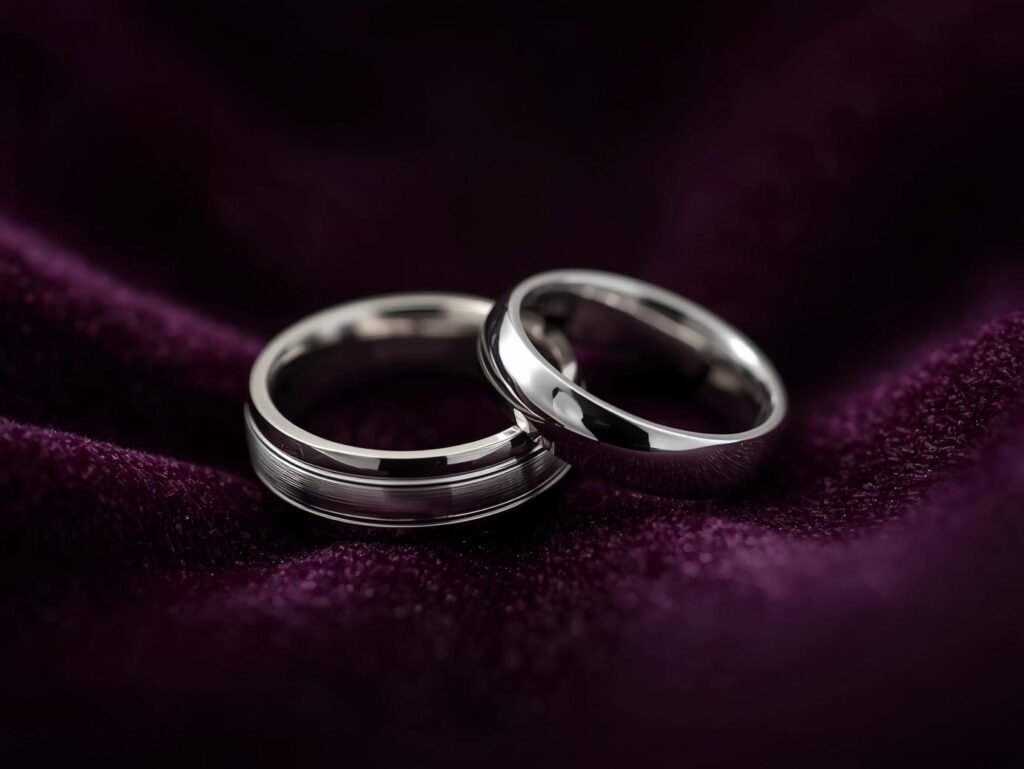
You might not know it, but palladium is a close relative of platinum, sharing a family with other rare metals like rhodium. It was first discovered way back in 1803, and it’s naturally white, super light, and won’t tarnish—which is why it’s become a popular choice for all kinds of jewellery, especially for wedding rings and engagement rings.
What’s really great about palladium is that its bright, natural white color won’t fade over time. This is a huge bonus, especially compared to white gold, which often needs to be re-plated to keep its shine. In short, palladium jewellery is a fantastic option if you want a beautiful, lasting piece that’s also easy to take care of.
What Makes Platinum Jewellery Special?
For centuries, platinum has been a top pick for jewellery, loved for its weight, strength, and classic, luxurious feel. It’s gorgeous, silvery-white shine makes diamonds, sapphires, and emeralds look absolutely stunning.
When you hold a piece of platinum, you can feel the difference—it’s heavier and stronger than other metals. For instance, a platinum engagement ring feels wonderfully solid compared to one made of palladium or gold. Another great thing about it is that it’s hypoallergenic, making it a perfect choice for people with sensitive skin.
Palladium Jewellery vs. Platinum Jewellery : Key Differences
To figure out if palladium jewellery is the right choice for you, it helps to understand how it stacks up against platinum. Here’s a quick look at their main differences:
1. Look and Feel
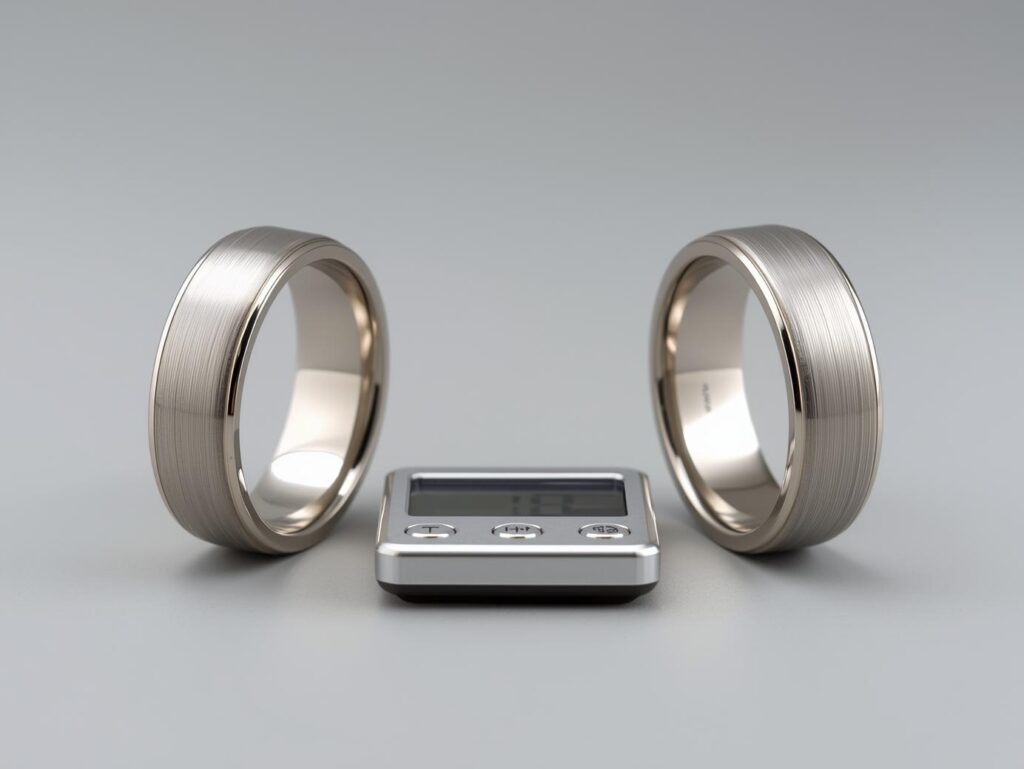
Palladium: This metal has a naturally bright, white shine that won’t tarnish. Its color will stay consistently brilliant over time.
Platinum: Platinum is also white, but it has a slightly grayer, softer tone. With age, it develops a soft, matte finish—called a patina—which many people love for its vintage look.
The takeaway: Both are beautiful, but palladium keeps its bright shine, while platinum takes on a more subtle, worn-in elegance over time.
2. Weight
When it comes to weight, these two metals are noticeably different.
Palladium is much lighter than platinum. This makes it a great choice for everyday wear, especially for a larger pendant or a bigger ring you’ll have on all day.
Platinum is denser and heavier. Many people love this because it gives the jewellery a substantial, premium feel that you can really notice when you hold or wear it.
The takeaway: If you prefer your jewellery to feel light and comfortable, palladium is your best bet. But if you like that solid, luxurious weight, platinum is the clear winner.
3. Durability
Both of these metals are tough and built to last, but they each have a slightly different kind of strength.
Palladium is very strong and resists scratches well. Because it’s so light, it might feel less sturdy than platinum, but it’s still a very durable metal for jewellery.
Platinum is incredibly durable. Its density and strength make it perfect for holding gemstones securely for decades or even centuries.
The takeaway: While both are great, platinum has a slight edge when it comes to long-term robustness and security.
4. Cost
Palladium is typically more affordable than platinum. It’s a great choice if you’re on a budget but still want that luxurious, high-end look.
Platinum costs significantly more. This is because it’s rarer, denser, and always in high demand.
The takeaway: Palladium gives you similar beauty at a more attractive price point.
5. Maintenance
Palladium is very low-maintenance. It naturally resists tarnish and doesn’t need to be re-plated to keep its beautiful color.
Platinum will need some occasional polishing to keep its original shine. As it ages, it will also develop a soft patina that some people love, but others might want to polish away.
The takeaway: If you want a piece of jewellery that requires very little upkeep, palladium is the easier choice.
6. Kind to your Skin
Both palladium jewellery and platinum jewellery are great choices for people with sensitive skin because neither metal is likely to cause an allergic reaction.
The takeaway: This one’s a tie, so you can’t go wrong with either metal!
Which Metal Is Better for Pendant Jewellery?
Palladium Pendants: These are a fantastic choice for everyday wear. They’re lightweight, won’t weigh you down, and give you that beautiful, bright white look without the high price tag.
Platinum Pendants: If you’re looking for a special piece—maybe a beautiful statement necklace or an heirloom you’ll pass down—platinum’s luxurious weight and prestige make it the perfect option.
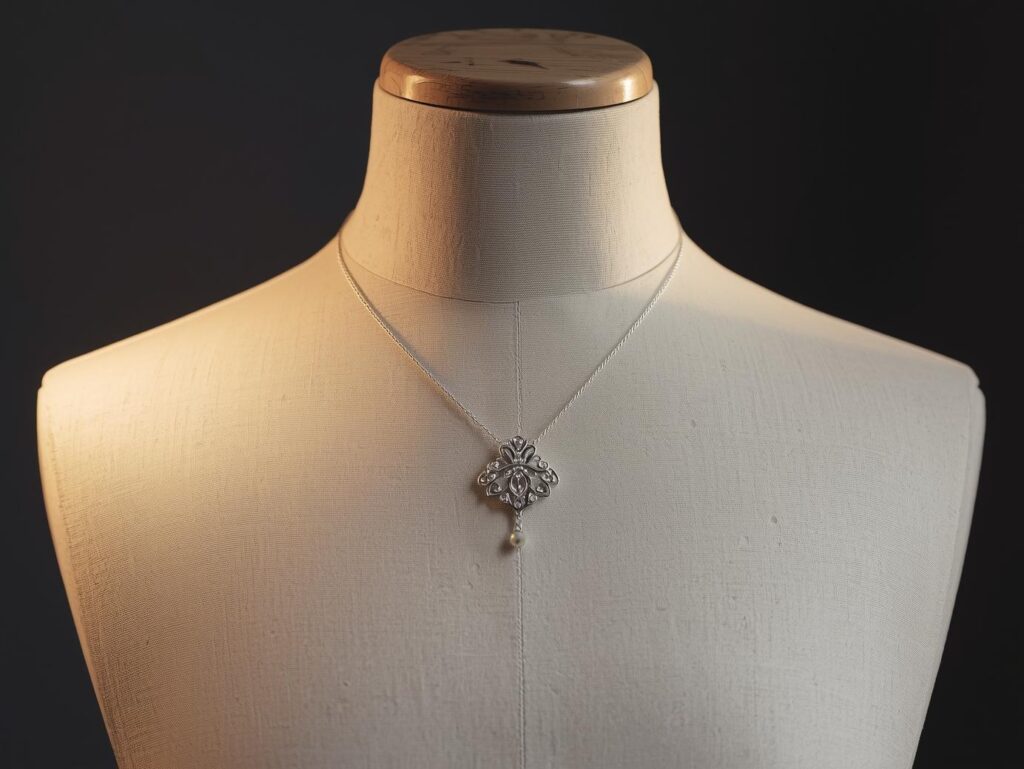
In the end, it all comes down to what you’re looking for. If you want a comfortable, budget-friendly piece you can wear every day, go with Palladium. But if you’re looking for a solid, high-status piece that feels special, platinum is the way to go.
Why People Choose Palladium Jewellery
People are choosing palladium jewellery more and more, and for good reason. Here’s a look at why it’s become such a popular choice:
It’s more affordable: You get that same luxurious, high-end look without the high-end price tag.
It’s lightweight and comfortable: It’s perfect for everyday wear, especially for things you wear often, like rings and pendants.
It keeps its shine: Unlike white gold, you never have to worry about getting it re-plated to keep it looking bright and beautiful.
It’s durable: It resists scratches and won’t tarnish over time.
For anyone who loves the look of platinum but wants a more budget-friendly option, palladium jewellery is a smart and beautiful choice.
Why Platinum Jewellery Still Holds Value
Even with palladium jewellery on the rise, platinum continues to be the top choice for luxury jewellery, and here’s why:
A Symbol of Status: For a long time, platinum jewellery has been a sign of wealth, prestige, and timeless luxury. It just has a classic, high-end feel that’s hard to match.
Built to Last: Because it’s so dense and strong, platinum is the perfect metal for pieces you want to pass down through generations. It’s truly built for a lifetime—and beyond.
It’s a Rare Find: Platinum is naturally much rarer than palladium, which makes it highly sought after by collectors and those who appreciate true rarity.
How it’s made and its impact
These days, many of us want to know that the products we buy are made responsibly. Since both platinum and palladium are mined, they have an environmental impact. But the good news is that the jewellery industry is responding to the demand for sustainability.
Many jewelers now offer pieces made from recycled palladium. This is a great alternative for environmentally-conscious shoppers because it allows you to get that beautiful, high-quality look without contributing to the environmental footprint of new mining. It’s a way to be both a smart shopper and a responsible one.
Conclusion
So, is palladium jewellery really better than platinum? The simple answer is that it truly depends on what you care about most.
Choose palladium jewellery if:
You’re looking for a more affordable option.
You want something lightweight and comfortable for daily wear.
You prefer a bright, tarnish-resistant shine that stays that way.
On the other hand, choose platinum if:
You love the luxurious feel and weight of the metal.
You’re looking for a piece with heirloom-quality durability.
You want a timeless symbol of elegance and prestige.
Both of these metals are excellent choices that beautifully complement diamonds, gemstones, and intricate designs. Ultimately, the “better” option is the one that fits your lifestyle, personal taste, and budget perfectly.
FAQs
1. Does palladium jewellery last?
Yes, absolutely. Palladium jewellery is a fantastic choice for long-lasting jewellery.
It’s known for being very durable, with excellent resistance to wear and tear. It won’t tarnish or rust, and its natural white color won’t fade over time.
2. Is it smart to buy palladium?
It’s smart to buy palladium jewellery because it’s a beautiful, durable, and more affordable alternative to platinum.
However, if you’re buying it as a financial investment, it’s more of a gamble. The price can change a lot because it’s so tied to what’s happening in the car industry.
3. Does palladium jewellery turn yellow?
No, Palladium Jewellery is Better Than Platinum? Does not turn yellow.
That’s one of its best qualities! Unlike white gold, which gets a yellowish tint as its rhodium plating wears off, palladium is naturally white all the way through. Its color is permanent and won’t fade or change over time, which makes it a very low-maintenance metal for jewellery.